
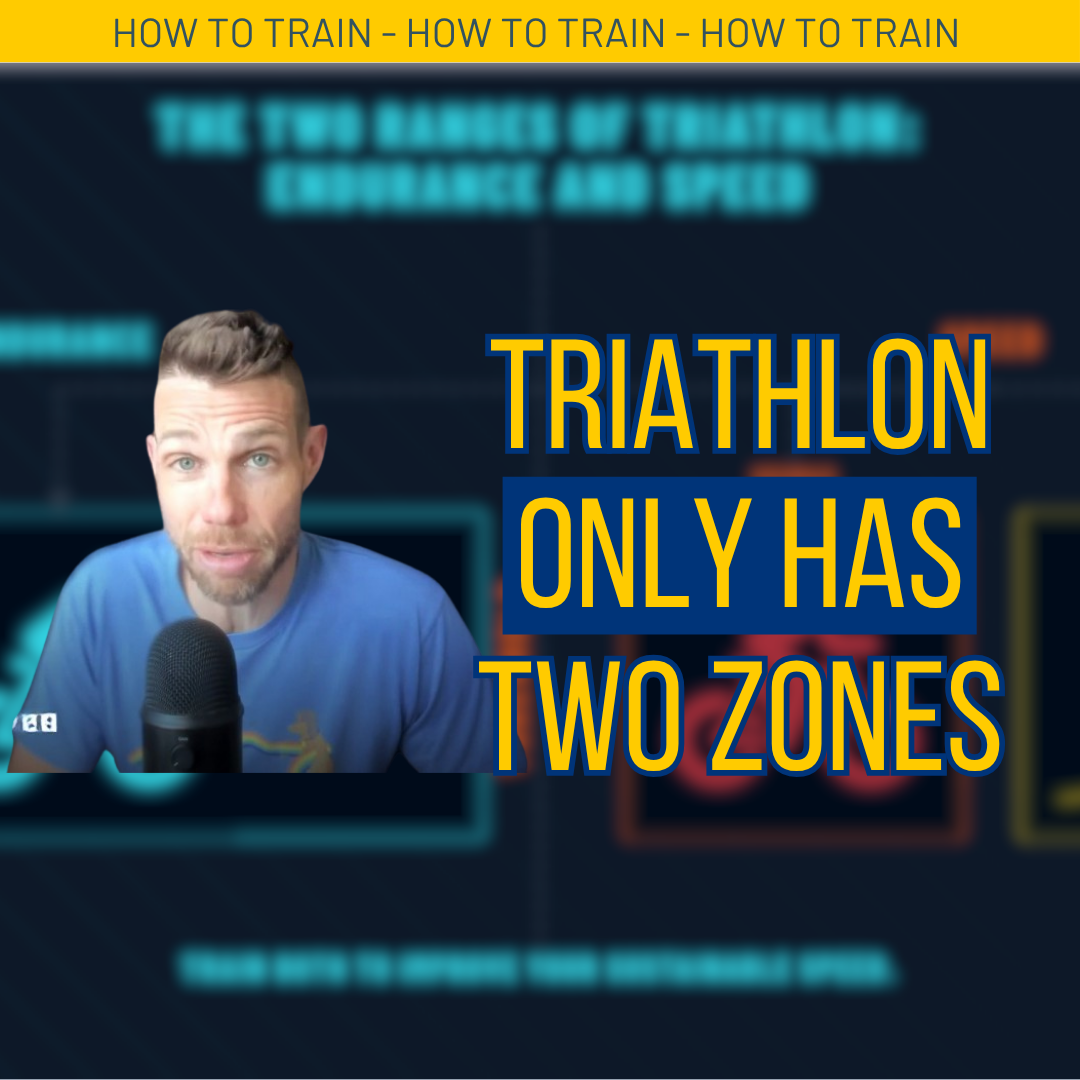
Episode 44: Triathlon Only Has Two Zones
One of the issues with the established training zone systems out there is that, very often, there are more zones than we need, particularly for multisport training and racing. When zones were first established, most of the data came from road cyclists, who have more dynamic events and different demands placed upon them while competing.
In a triathlon—even a short course triathlon—the goal is a steady, moderately-hard effort that you can hold for a long time. In this monologue episode of The Infirmary, I make the case that triathletes need just two training ranges: endurance and speed. I talk about how training actually works — oxygen delivery, blood volume, capillary density, mitochondrial function, muscle fiber recruitment, metabolic efficiency — and show why the moderate and heavy exercise domains can and should be collapsed into a single endurance range for multisport athletes.
I also address why a seven-zone system can actually hurt your training as a triathlete, why "anaerobic threshold" is a misleading term, and why your threshold intervals shouldn't be killing you—they are part of the endurance side of things, NOT intensity. We wrap things up with a practical breakdown of how to apply perceived exertion and training intensity distribution across a season.
Links mentioned in this episode:
Jesse Dukes' one-day "How to Get Good Tape" Los Angeles Workshop: https://jessedukes.com/good-tape-how-to-get-it-2/
Book a free training consultation: https://tinyurl.com/mu8d8tux
Join the Campfire Discord community: https://discord.gg/3Uq989QFX4
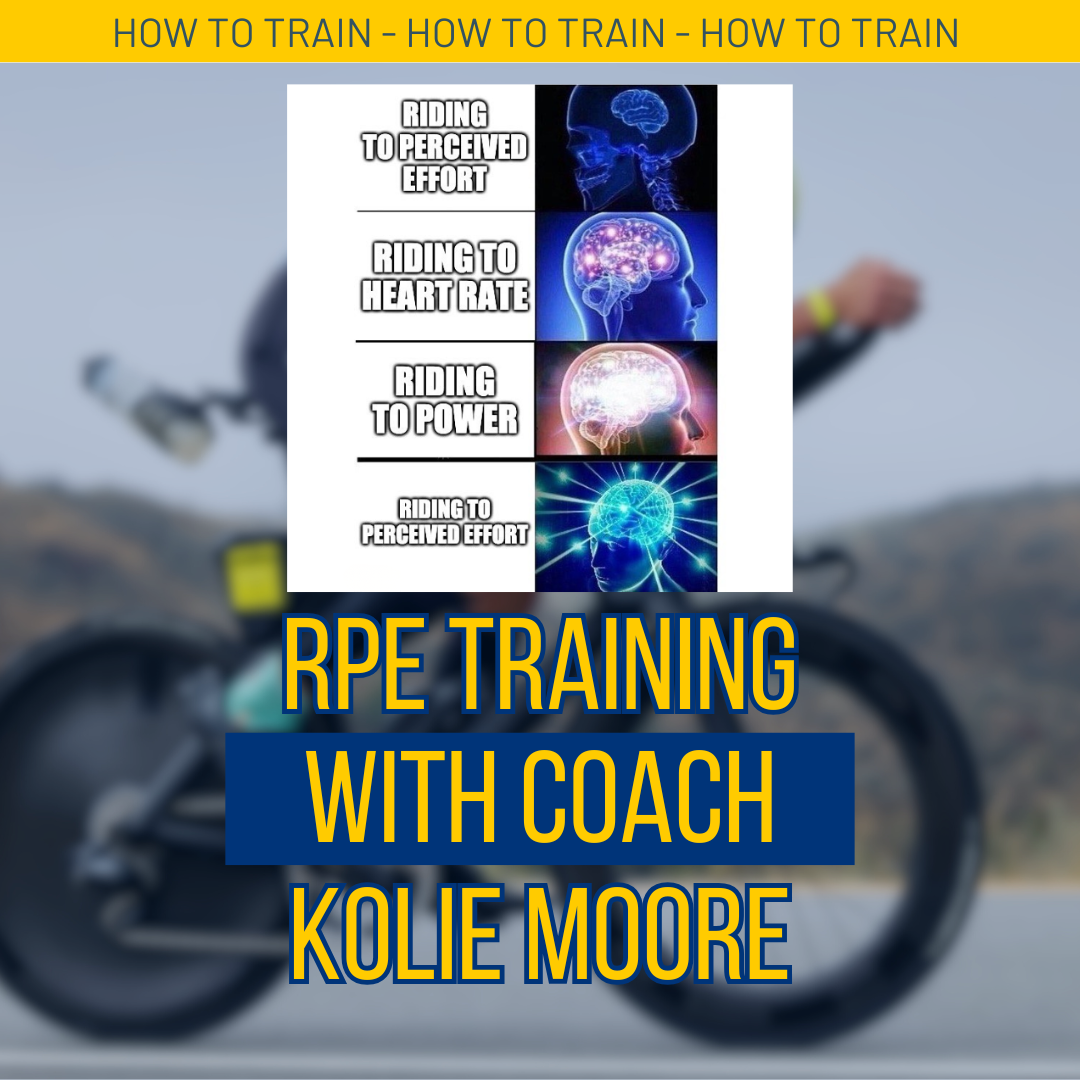
Episode 33: Why RPE Matters Just As Much As Power: Kolie Moore from Empirical Cycling on Training Smarter
I sit down with one of my long-time coach crushes: Kolie Moore, founder of Empirical Cycling and host of the Empirical Cycling Podcast. Our conversation ranged all over the place, from our favorite cycling and thinking books to what how our “master gland” protects us, but we really focus on why rate of perceived exertion (RPE) matters more than athletes think—even when they already use objective metrics like power and heart rate. Kolie talks about the FTP test he never expected be called “The Kolie Moore FTP Test," explaining why feeling into your threshold works better than traditional 20-minute tests for most athletes.
We talk about why training plans should be “written in sand rather than stone,” (one of my favorite quotes from the show) how your brain integrates signals of stress that power meters can't measure, and why so many athletes train too hard too achieve the results they seek. Kolie shares insights from his work coaching everyone from World Tour cyclists to weekend warriors, revealing that newer athletes often nail RPE-based efforts on the first try because they haven't learned to overthink it yet. Kolie challenges the idea that following a training plan to the letter leads to success, showing instead that sustainable progress comes from learning to listen to your body while using data as a guide rather than gospel.

Episode 31: Why Your Zone 2 Training Feels Painfully Slow (And That's Actually Good)
“Zone 2” training has become incredibly popular in endurance sports, but most athletes misunderstand what it actually does and why it feels so frustratingly slow. In this episode, we debunk the misconceptions to explain how this training intensity establishes your aerobic infrastructure, why comparing yourself to professional athletes derails your progress, and how to embrace slow work now so you can do harder and more effective training later. You'll learn about the physiological adaptations that happen at this intensity, why a monoculture approach to training never works, and how years of consistent aerobic conditioning create the physiological infrastructure that supports faster racing. If your “Zone 2” pace feels slow, this episode explains exactly why that is and what to do about it.
Campfire Endurance Coaching: campfireendurance.com
Instagram: @campfire_endurance
Email me: chris@campfireendurance.com

Episode 29: REPOST | The Norwegian Method with Author Brad Culp
Over the past six weeks, Norwegian athletes have take four of the six podium spots at the Ironman World Championships in Nice, France, and Kailua-Kona, Hawaii. We sat down earlier this year to talk with Brad Culp, author of The Norwegian Method: The Culture, Science, and Humans Behind the Groundbreaking Approach to Elite Endurance Performance.
Brad points out both in his book and in this interview that many Norwegians actually bristle when they hear their manner of training described as “The Norwegian Method,” because the way they train is fairly old-school: all of the principles they adhere to were set decades ago by athletes and coaches from a variety of cultures and ethnicities.
“The Norwegian Method” is, in fact, simply a “high-volume, low-intensity program with threshold sessions controlled by lactate measurement.” It flies in the face of “no-pain, no-gain” training, and requires commitment, consistency, and control over a long period of time. Listening to this episode (and reading Brad’s book!) will help you stop training too hard, reset your timeline for success, and start moving effectively in the direction of your goals.

Episode 18: How Neglecting Your Swim Hurts Your Overall Triathlon Performance
I have heard it a million times: a triathlete tells me “I swam and swam but it never changed my time, so I just stopped swimming.” I really feel for this athlete, since they are clearly frustrated, but there’s a better way to train for triathlon. In this show we walk through:
What goes into effective endurance training in the first place
How neglecting your swim hurts your overall triathlon performance
How you should actually train to improve your swim performances
Swim Smooth Coaches Directory for Video Swim Analysis: https://www.swimsmooth.com/find-a-coach
RSVP for Chris’ lecture about what holds swimmers back: https://bendtriathlonclub.com/event-coaching
Episode 15: The Norwegian Method with Author Brad Culp
Chris sits down with Brad Culp, author of the 2024 Book The Norwegian Method: The Culture, Science, and Humans Behind the Groundbreaking Approach to Elite Endurance Performance. After some book-nerd talk about the structure Brad and his publisher chose for the book (the first few chapters provide a brisk but necessary and engrossing history of Scandinavia’s Viking culture and boatbuilding technology), Culp explains what he sees as encompassing “The Norwegian Method.” He talks about Kristian Blummenfelt, Gustav Iten, Olav Aleksander Bu, Jakob Ingebrigtsen, and the other less well-known forebears of The Norwegian Method. Culp recounts what he saw while reporting on and then writing about some of the greatest endurance athletes of our moment, and talks about how amateur endurance athletes can incorporate some of these training strategies without hurting themselves.
You can pick up Brad’s book on Amazon, and find him over on X.

Episode 14: Basic Training | How Noob Gains Happen (and then Stop Happening)
Remember what it was like when you had just set out upon your endurance journey? At first everything felt incredibly hard, but after a short amount of consistent training things started to feel easier. Those, our friends, were your “Noob Gains,” or the improvements that happened in the first months (or years) of this new habit.
Today on The Infirmary we explain how and why Noob Gains happen and offer some guidance for those who are in this very fun and satisfying period of training. We also talk about ways to avoid the pitfalls of this leg on the path to faster, happier, and healthier athletics. We close the episode with a warning around the ways unscrupulous companies try to take advantage of you while you’re living your Noob Gains life.
If you’re already an experienced athlete, please think about passing this episode along to someone who has just begun, since doing so might save them from injury, burnout, or worse.