
One-to-one coaching for athletes who are done guessing
You're putting in the hours and your times aren't moving. That isn't a discipline problem, and more volume won't fix it. What fixes it is one coach who reads your actual week, tells you which two things matter, and rebuilds the plan when work or family gets in the way.
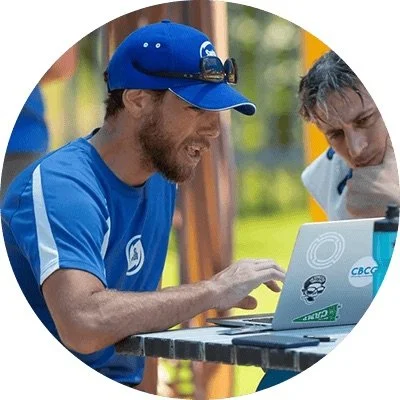
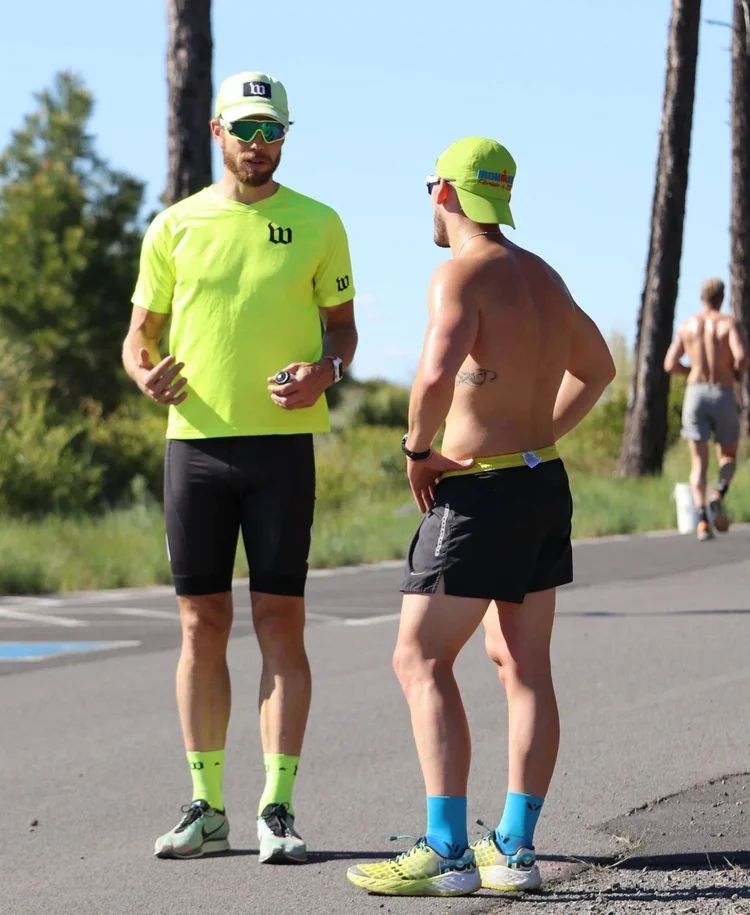
- Coaching since 2009
- USAT Level II
- Swim Smooth certified
- Coached pros at Kona, Nice and ITU Gravel Worlds
- 60+ five-star reviews
That is not advice. That's a shrug with a stopwatch
If a technique fault is what's holding you back, more laps only rehearse it. Somebody has to watch you swim and find the one thing that is costing you. Volume on its own just buys you another season of the same times.
Most endurance coaching, frankly, sucks. Not because coaches don't care, but because reading one athlete properly takes hours most of them do not spend. So you get a plan built for nobody, and when it stops working you are told to try harder.
You already work hard. That was never the missing piece.
The point of coaching is to make the coach unnecessary
A masterful athlete knows the right decision to make at the right moment. Whether to go hard or easy. Whether to eat or drink right then. Whether to stay in bed or get up and go to the pool. Think of a master crafter, who always seems to know which tool to grab.
On race day nobody is standing next to you. The only coach you have out there is the one you have become, so that is what we build. We coach the athlete, not the algorithm.
-
1
Your body
First you learn to understand your body, and what it is telling you.
-
2
Your numbers
Then what different levels of effort actually mean in your numbers, not in generic zones.
-
3
The race course
Then how to apply all of it on a race course, when conditions go sideways.
We meet you where you are
and lead you where you want to go
Plan
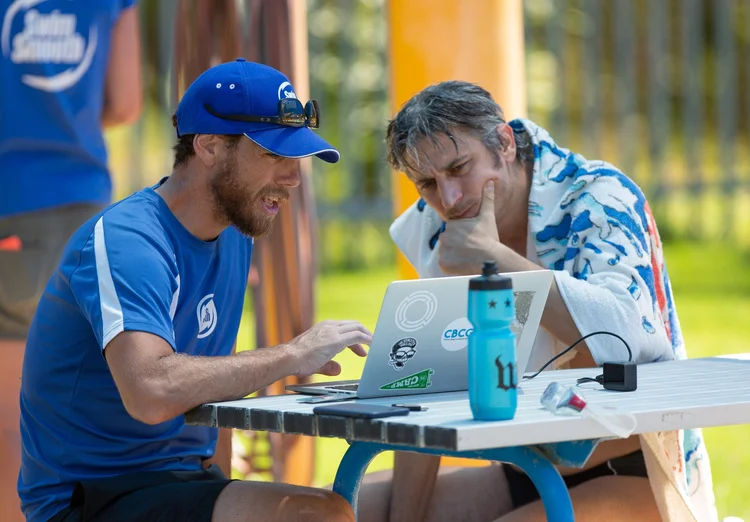
It starts with an assessment of the life you actually have, not the one you would like to have. Out of that comes your Personalized Training Roadmap, which sets out what you will do and, more importantly, when.
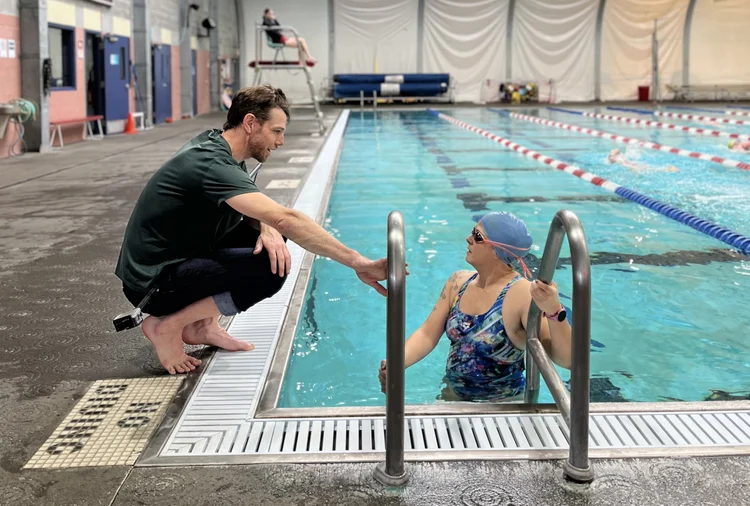
Every athlete also gets a video swim analysis included, because most age-group swimmers are losing minutes to a fault nobody has ever pointed out to them.
The program
The roadmap gets built out in three-week blocks, which gives your coach about sixteen chances a year to write your plan. That is deliberate, and it forces every block to do a job.
Then life turns up, and the plan moves so a fever or a work trip stays an obstacle instead of becoming a pitfall.
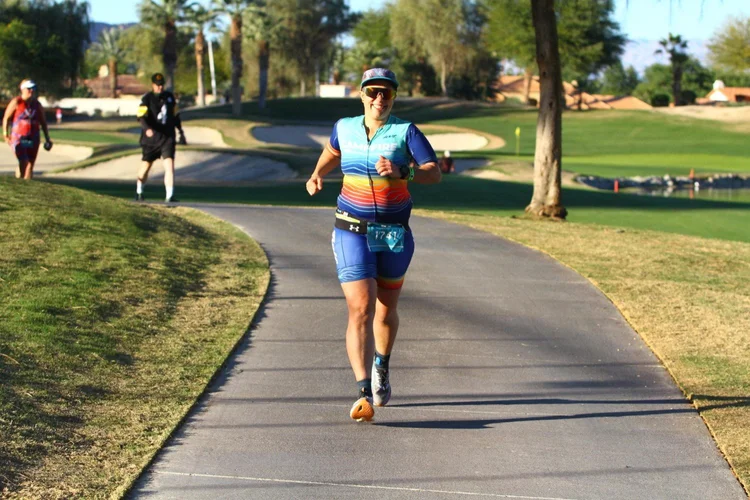
Communication
We say the same thing on every intake call: a coach-athlete relationship lives and dies in the quality of the communication. So this part is written down rather than left to goodwill: two calls a month, every workout comment answered, unlimited email and text, and a race plan for every race on your calendar.
Though please, not at one in the morning.
Community
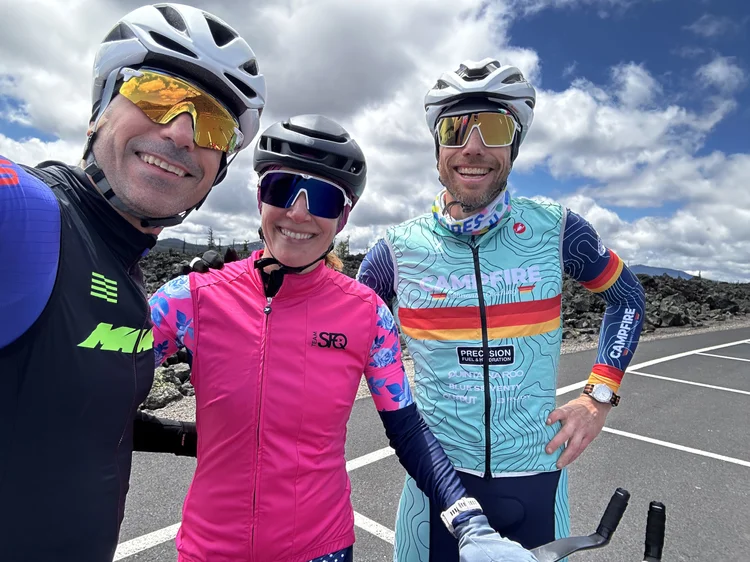
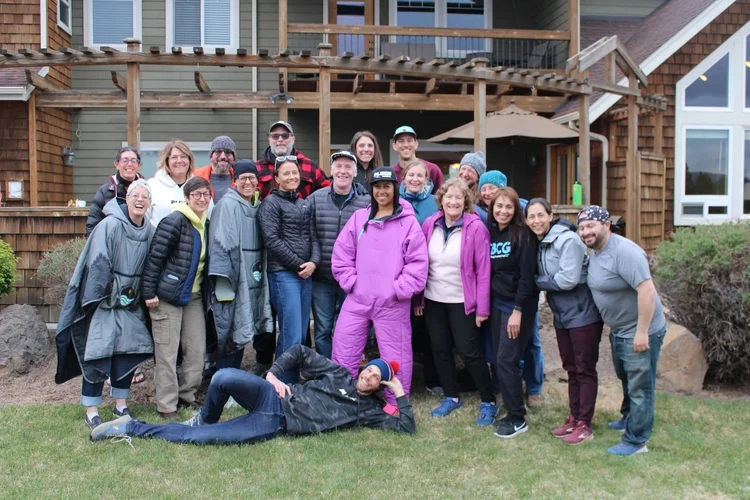
We chose the name for a reason, because a campfire is a warm gathering place where people tell stories and get seen by each other. There is a Discord, meetups at races, workouts together, and one night every winter where everyone gets in a room to toast the season that was.
You end up training alone a lot less than you expected to.
I coach restraint because I raced without it
Ironman Canada, 2012. I led that race until twelve miles to go. Then I panicked, ran the first half of the marathon at sub-2:50 pace, which I had no business doing, and blew apart. I walked the last twelve miles wearing the number one bib while friendly Canadians told me it was OK, buddy. It would have been the first big win of my career.
Two weeks later I lined up at the 70.3 World Championships because I thought I could make it right. Nearly last out of the water. Nearly last off the bike. Slowest run split I ever ran.
Nothing was wrong with my fitness either day. Everything was wrong with my decisions.
Fifteen years racing as a professional, coaching since 2009. The thing I am most useful for is not writing you a hard workout. Anybody can write you a hard workout. What I can do is look at your week and tell you which two things to keep.
Four athletes, four different problems
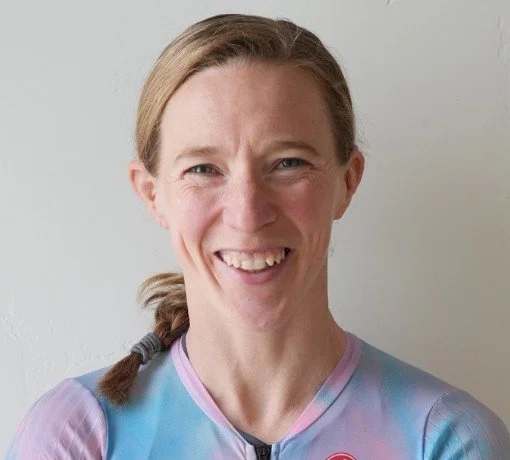
I've moved from the bottom third of the pro field to a Kona qualifier and my first podium finish. Chris has the sport-specific expertise to prescribe the workouts, and the mental skills coaching to keep me focused.
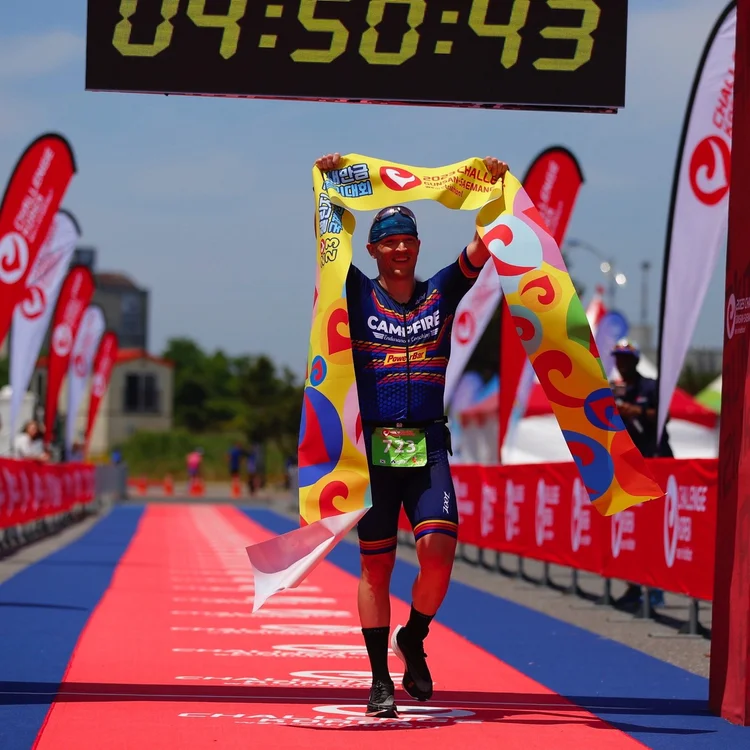
My coach was able to adapt to my ever-changing situation and find the right balance so I could still train and race. I picked up my first full-distance win at Challenge Gunsan this year with a 20-minute PR.
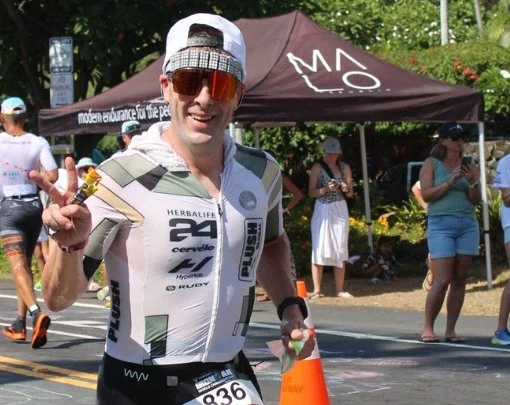
What sets Campfire apart is training plans that push your limits but also respect your personal circumstances. Balancing a demanding career and a family life is no small feat, and my coach understands those challenges.
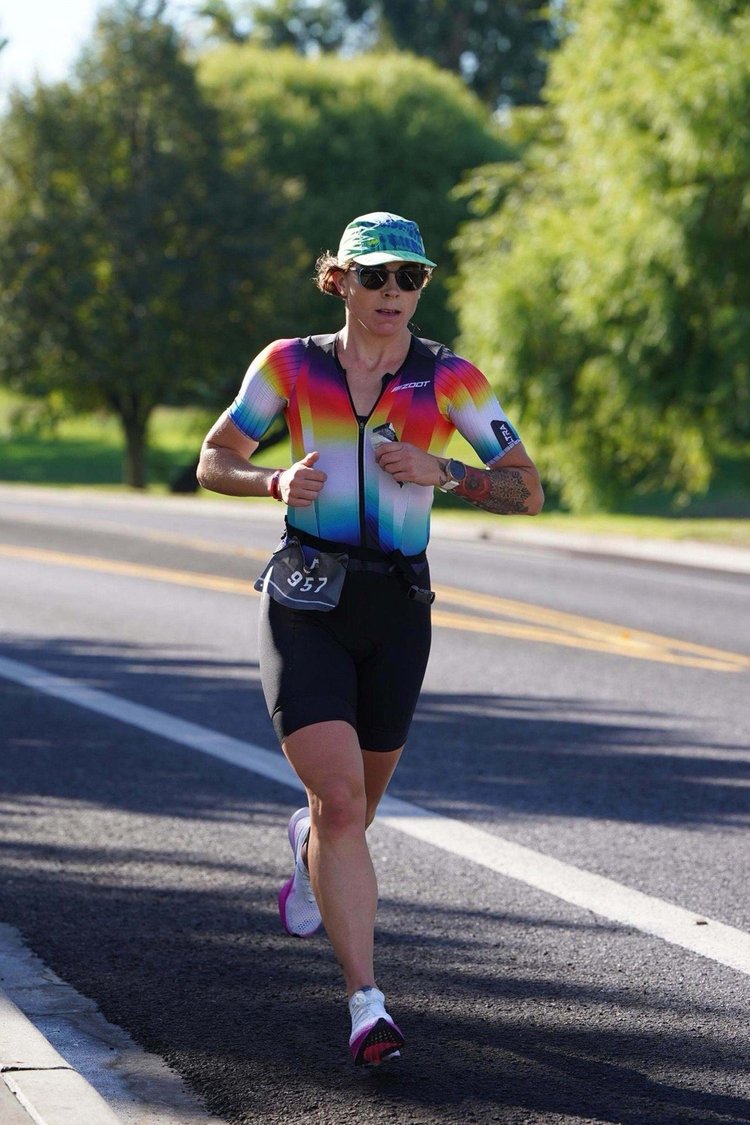
She answers all my questions and tells me WHY I'm doing the things I'm doing. Since starting less than six months ago I've improved my swim, my bike power and comfort keep going up, and my run keeps getting faster.

Ready to get started? Book your free discovery call to get a read on where you're at and how we can help
If you want to know how much faster one-to-one coaching gets you there than going it alone, book a free discovery call below. We'll look at where your training actually is right now and see if we're a good fit.
- You tell us what you're training for and what went wrong last time.
- We analyze where you are now and tell you what we would change first.
- You get that read whether or not you ever work with us. If it isn't a fit we say so, and usually point you somewhere better.
What athletes ask us before they book
You probably can, eventually. You've already got the discipline and most of the information. What you don't have is somebody outside your own head who will look at your log and say that Wednesday session is the reason your Saturday is falling apart. You cannot see your own blind spot. That's what makes it a blind spot.
No, and we're comfortable saying so. For a team sport that would be a problem. Picture a decentralized football practice for a moment. For an individual endurance athlete, remote coaching done properly loses nothing. It is available as an add-on if you genuinely need it.
Coaching isn't a reward for already being fast. Every athlete deserves real attention from their coach, beginner to veteran professional, and we coach all of them the same way: as though you were the only athlete on the roster.
We hear that constantly, which is why the comment policy is written down rather than implied. Ask us on the call how often you will actually hear from a human. It's a fair question and the answer is the whole difference.