
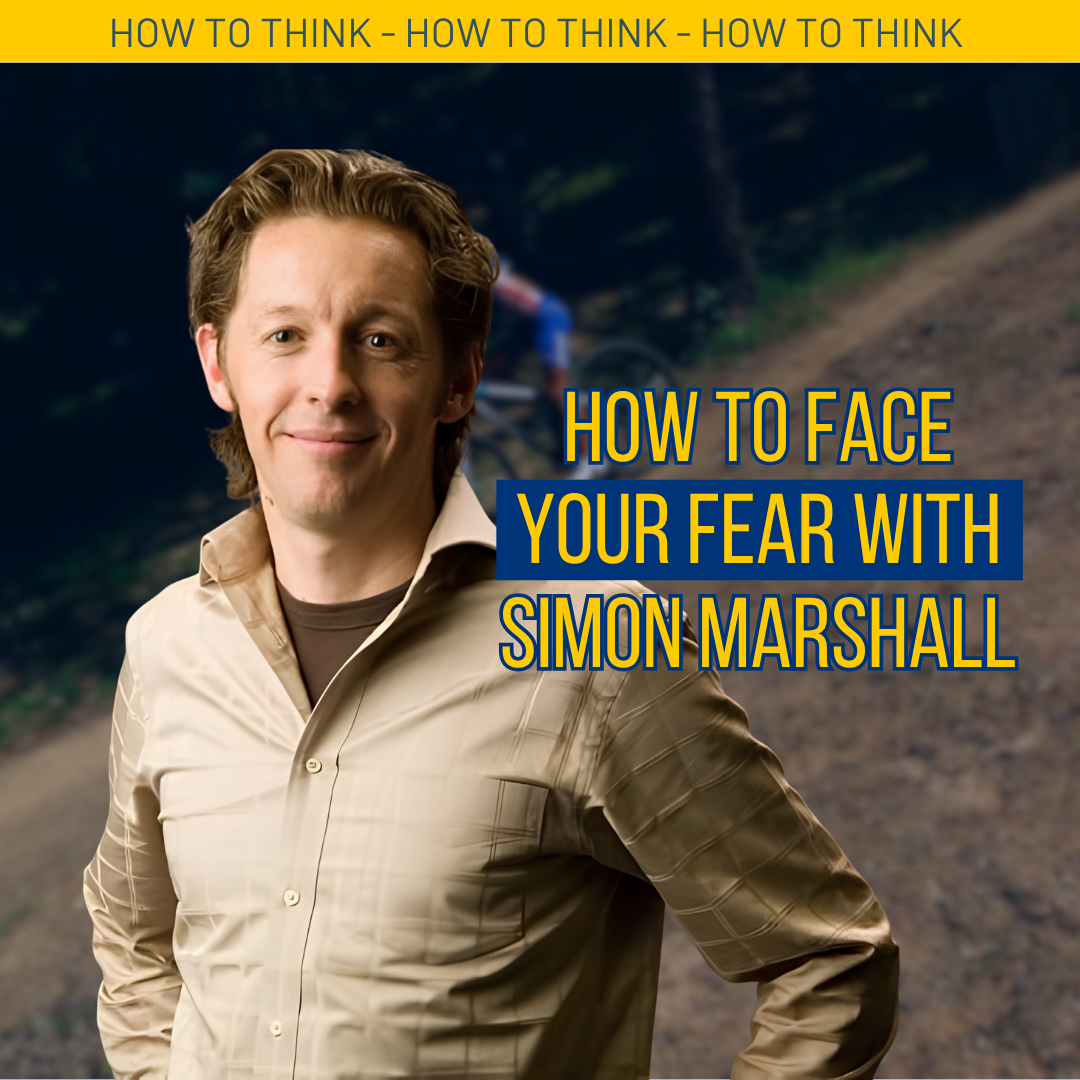
Episode 49: How to Face Your Fear w/Sports Psychologist Simon Marshall
Simon Marshall has worked with many high-level endurance athletes out there, and in this conversation he makes the case that the mental side of sport is the part most of us skip…right up until it costs us a race. Recorded during the pandemic and shared again in Simon's memory, the episode digs into what actually decides how race day goes: why everyone walks to the start line a little terrified, why your brain treats one bad comment like Velcro and ten good ones like Teflon, and why "just find your passion" is mostly a myth.
Simon, who wrote The Brave Athlete with his wife, five-time world champion Lesley Paterson, also hands over tools you can use this week — an alter-ego exercise that will help you face difficult situations, how to microdose dopamine, and the quiet skill of embracing the suck. It's funny, honest, useful, and heartwarming, which is to say…it’s a lot like Simon. We miss you, man.

Episode 40: “Where Is My Mind? Flow State, Focus, and Interval Meditation”
Coaches and athletes talk about the semi-mythical “flow state” a lot, but there is precious little information about how to achieve flow state. Those same coaches and athletes seem to leave it up to chance, but as you all (I hope) know, hope is not a strategy!
In today’s episode, which is the companion piece to the guided meditation just below this one in the feed, we talk about ways to practice presence in your training and racing, since all that flow state is is a state of heightened presence in the moment, when distractions and obstacles seem to fall away. If you read last week’s Substack post, you’ll see the connection here to getting away from thinking, because when we think we tend to make judgments, and if you are judging you are reflecting or ruminating, not present in the moment.
The episode opens with a real athlete meltdown (the kind most of us have had at some point) to explore how perception and self-judgment are the first things standing between you and your best performance. From there, we make a connection between traditional meditation and the way you approach a hard interval — and explains why those two things are basically the same skill. You don't need an app, a cushion, or a monastery. You need your next workout and a willingness to notice where your brain actually goes when things get hard.
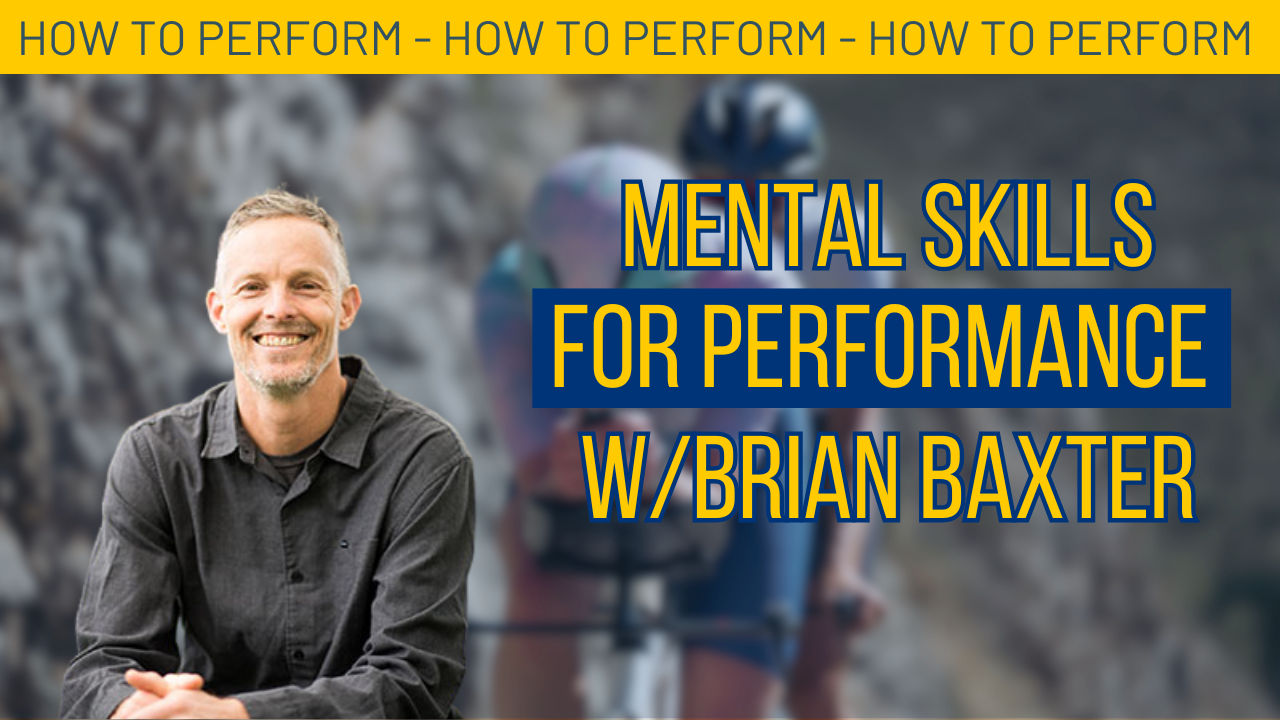
Episode 23: How Mental Skills Transform Athletic Performance with Sports Psychologist Brian Baxter
This interview with sports psychologist Brian Baxter reveals how mental training techniques can transform athletic performance at every level. Baxter, who has worked with athletes for over 20 years, breaks down the essential mental skills that separate good athletes from great ones, showing why anxiety management and confidence on the playing field or race course are just as crucial as physical preparation.
Baxter explains the well-known "control the controllables" philosophy that helps athletes focus their energy on what actually matters: effort, attitude, preparation, and present moment awareness. Brian explains how the endurance sports mindset functions differently from other sports, addressing the unique challenges that come with long training blocks and extended competition periods that can trigger pre-race anxiety strategies.
The conversation explores practical techniques, including energy management, showing how athletes can adjust their arousal levels for optimal performance; how to achieve flow state in sports more consistently; and why proactive mental training beats reactive responses to difficult moments during competition. Brian demonstrates how sports mental skills coaching addresses the thoughts -> emotions -> physiology performance formula that determines success on race day.
Whether you're struggling with performance anxiety or looking to take your mental game to the next level, this session provides actionable psychology tips and athletic performance mindset strategies for triathlon or any endurance sport you pursue. From understanding when anxiety becomes excitement, to learning visualization techniques that actually work, these insights will help you build the mental resilience that elite athletes use to achieve peak performances.
The interview includes real-world examples of how proper mental training helped Chris overcome a race penalty to achieve one of his best performances, illustrating how athlete confidence building through controllable focus creates unshakeable mental toughness during competition.
You can learn more about Brian at Amplify Sports Performance.